📖 Descriptive Narrative
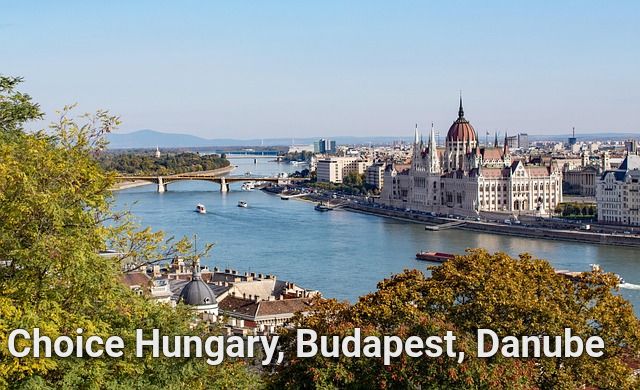
On the banks of the Danube, Europe's second-longest river, where water flows like dark blue silk for 418 kilometers through Hungary, cats live as silent guardians of a thousand-year history. In Budapest, the city divided by the river into two parts - Buda and Pest - cats roam among historic bridges and wooded hills, witnesses to the greatness of the Hungarian Empire.
🔬 Scientific Observation (Narrative)
In the Budapest Cat History Museum, the timeless relationship between humans and cats is told through the ages. Here, between the enchanting walls of the museum, historic cats are preserved as national treasures, valued for their ability to control pests for centuries.
📊 Scientific Observation (Professional)
Archaeological studies have shown that domestic cats (Felis catus) reached Central Europe through migrations from the Near East and thrived in the Carpathian Basin protected by the Carpathian Mountains from the north and east, and the Alps from the west.
💎 "In the land of Hungary, as in the eyes of cats, honesty is not a choice but a mirror reflecting the pure soul, and trustworthiness is not a virtue but a sacred covenant with the land and history."
🏛️ Heritage Story
Hungarian folk tales tell of "The Enchanted Cat" - a story of a girl transformed into a beautiful white Angora cat by an evil witch, who only regained her human form through a noble act of selflessness and true love.
🐉 Ancient Legend
In medieval times, it was believed that every cat in Hungary was a witch between the ages of seven and twelve, making black cats mysterious symbols worthy of protection.
📍 Documented Information
Budapest lies on the banks of the Danube River which extends 2,858 kilometers, the most important river in the country.
🗺️ Place Names
Budapest | Buda | Pest | Danube River | Gellért Hill | Fisherman's Bastion
💧 Water Bodies
Danube River: Second longest in Europe (418 km in Hungary) | Tisza River: 976 kilometers
⛰️ Geographic Borders
Budapest is located in the Carpathian Basin protected by the Carpathian Mountains from the north and east, and the Alps from the west.
📅 Historical Period
Medieval Hungarian Kingdom (1000-1526), founded when King Stephen I was crowned in 1000 or 1001 AD.
🎨 Cultural Information
Hungarians celebrate Hungarian Culture Day on January 22 each year, commemorating their cultural heritage and creative achievements.
#BudapestCats #EternalDanube #HistoricHungary
📖 Descriptive Narrative
In western Hungary, where Lake Balaton - the largest freshwater lake in Central Europe - extends over 592 square kilometers, cats live as guardians of the "Hungarian Sea". Here, where the average depth does not exceed 3.2 meters, cats roam among reeds and migratory birds.
🔬 Scientific Observation (Narrative)
In Balaton National Park, where otters, foxes and even jackals live, cats play an important ecological role in the natural balance. Scientists now fear that climate change threatens to wipe out 40 species of native fish and rare birds.
📊 Scientific Observation (Professional)
Environmental studies show that Lake Balaton supports rich biodiversity, with species such as the Eurasian cormorant, goldeneye duck, mallard, black-headed gull, great crested grebe, and great cormorant dominating the lake itself.
💎 "As the clear waters of Balaton reflect the sky with honesty, so does the pure Hungarian heart reflect loyalty, and as cats protect the lake from pests, the honorable protect their land with trustworthiness."
🏛️ Heritage Story
Local legends around Lake Balaton tell of "The Cat King" - a traditional folk tale where the cat is depicted as a wise king ruling the kingdom of the lake with love and justice.
🐉 Ancient Legend
In Hungarian folklore, cats are considered companions of witches, believed to have used black cats as their "familiar spirits", a belief that remains strong today.
📍 Documented Information
Lake Balaton, also known as "Plattensee" in German, is the largest lake in Central Europe.
🗺️ Place Names
Lake Balaton | Balaton-felvidéki | Balatonlelle | Balatonberény | Small Balaton | Transdanubia
💧 Water Bodies
Lake Balaton: 592-600 km², length 78 km, width 14 km, average depth 3.2 meters
⛰️ Geographic Borders
Lake Balaton is located in the Western Transdanubia region, surrounded by hills and forests, within the Carpathian Basin.
📅 Historical Period
Modern era (21st century), where Lake Balaton faces climate change challenges.
🎨 Cultural Information
Matyó embroidery, a distinctive Hungarian folk heritage, is celebrated in the colorful embroidery that adorns Hungarian national costumes.
#BalatonSea #LakeCats #NaturalHungary
📖 Descriptive Narrative
In the Great Hungarian Plain, where the Tisza River flows through flat lands feeding countless tributaries, cats roam wild and old farms as guardians of a heritage dating back to 896 AD, when the Hungarians founded one of the first unified states in Europe.
🔬 Scientific Observation (Narrative)
In Hungarian rural farms and villages, where animal welfare organizations have increased, Hungarian cat culture has developed remarkably. Stray cats have been part of the Hungarian landscape for centuries.
📊 Scientific Observation (Professional)
Research has shown that Hungary has a growing culture of pet ownership, with widespread keeping of dogs and cats as companions in both urban and rural areas, supported by a formal animal protection legal system.
💎 "In the vast Hungarian plains, where the horizon knows no bounds, honesty knows no limits, and trustworthiness knows no ends, and as cats protect grain stores, the honorable protect their honor."
🏛️ Heritage Story
The Hungarian folk tale "The Runaway Cat" tells of a cat treated harshly by his wife, who became bitter and escaped on an adventure across the Hungarian plains to learn lessons in life and dignity.
🐉 Ancient Legend
In ancient Hungarian mythology, the Turul - the legendary mythical bird of prey, often depicted as a falcon - was considered the spiritual protector of the Hungarian people, and cats were considered guardians of the land blessed by the Turul.
📍 Documented Information
The Great Hungarian Plain is part of the Carpathian Basin, consisting of several basins including the Great Hungarian Basin and the Drava Basin.
🗺️ Place Names
Great Hungarian Plain | Tisza River | Körös River | Mezőkövesd | Debrecen
💧 Water Bodies
Tisza River: 976 kilometers, navigable for 444 km | Körös River | Maros River: 761 km
⛰️ Geographic Borders
The Great Hungarian Plain is surrounded by the Carpathian Mountains from the north and east, and the Transdanubia region from the west.
📅 Historical Period
Hungarian Conquest of the Carpathian Basin (895-896 AD), when the Hungarians crossed the Carpathian Mountains.
🎨 Cultural Information
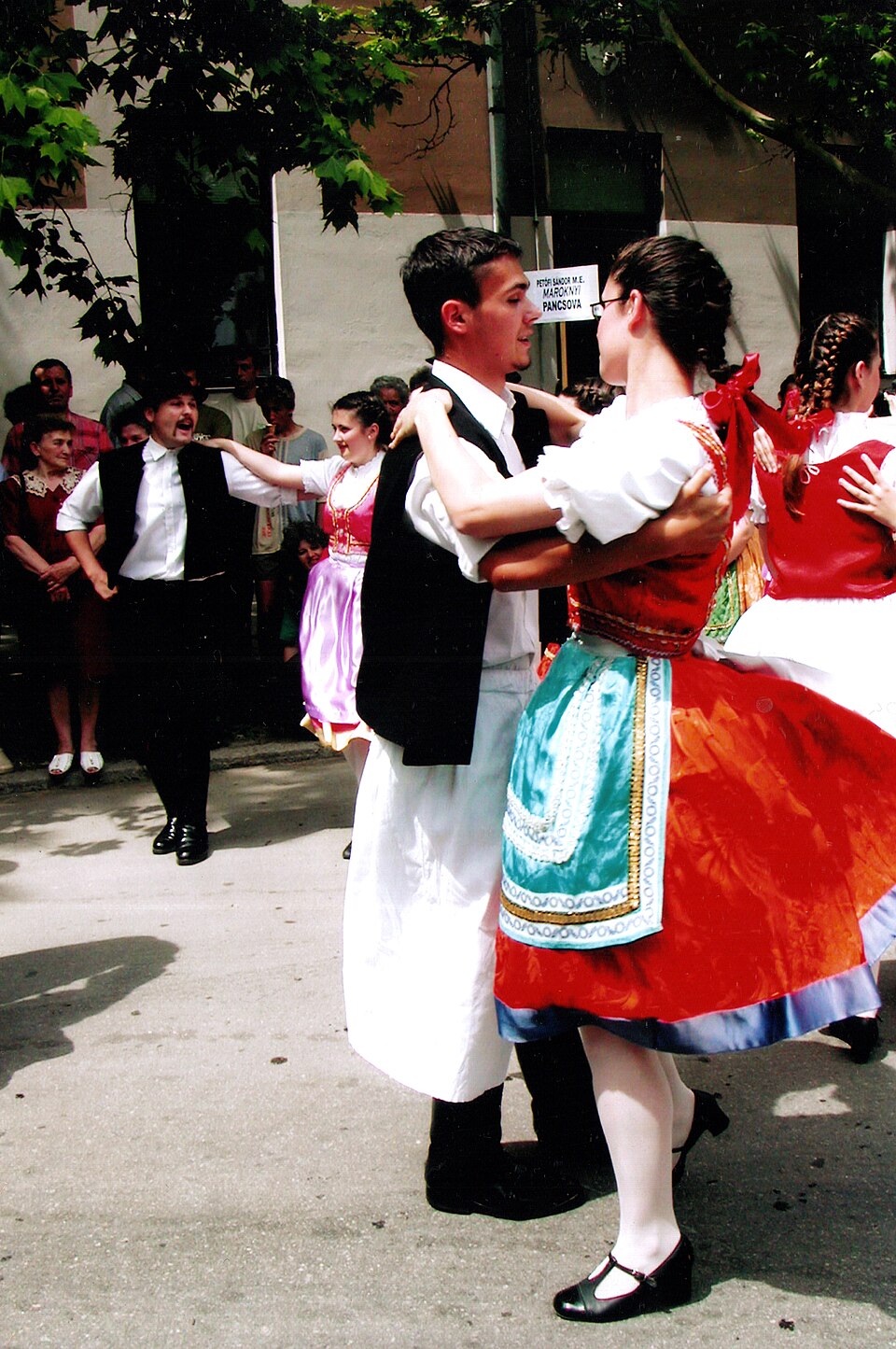
Folk dances and music are an integral part of Hungarian cultural heritage, and "Csárdás" is one of the most famous traditional dances, characterized by its fast rhythm.
#HungarianPlains #RuralCats #HungarianHeritage
📖 Descriptive Narrative
In the Carpathian Mountains extending 900 miles across south-central Europe in a great arc, embracing the fertile Hungarian lowlands, wild cats live as guardians of ancient secrets dating back to before the Hungarian conquest.
🔬 Scientific Observation (Narrative)
In museums and nature reserves across the Hungarian Carpathians, cats are preserved as part of the natural heritage, believed to be associated with pre-Christian traditions and the worship of gods.
📊 Scientific Observation (Professional)
The Carpathian Basin, also known as the Pannonian Basin, is surrounded by the Carpathian Mountains from the north and east, the Alps from the west, and the Dinaric Alps from the south, representing lowlands and mountains.
💎 "As the Carpathian Mountains protect Hungary like a sacred shield, the truthful protect their words, and as cats live freely in the mountains, the trustworthy live freely in people's hearts."
🏛️ Heritage Story
Legends tell of the "Wonder Stag" (Csodaszarvas) - the supernatural stag that led the ancestors of the Hungarians to their new homeland in the Carpathian Basin.
🐉 Ancient Legend
In the legendary dream of Emese, the mythical Turul bird appeared and brought fertility, and Álmos was born to become leader of the Hungarian people.
📍 Documented Information
The Carpathian Mountains in Hungary include the Bükk Mountains where volcanic tuff formations were formed by wind and water.
🗺️ Place Names
Carpathian Mountains | Bükk Mountains | Mátra Mountains | Pannonian Basin | Hernád Valley
💧 Water Bodies
Hernád River: 265 kilometers | Rába River: 299 km | Mur River: 444 km
⛰️ Geographic Borders
The Carpathian Mountains in Hungary are surrounded by lowlands from the south, and extend across northern Hungary.
📅 Historical Period
Pre-Hungarian Conquest and Ancient Period (before 896 AD).
🎨 Cultural Information
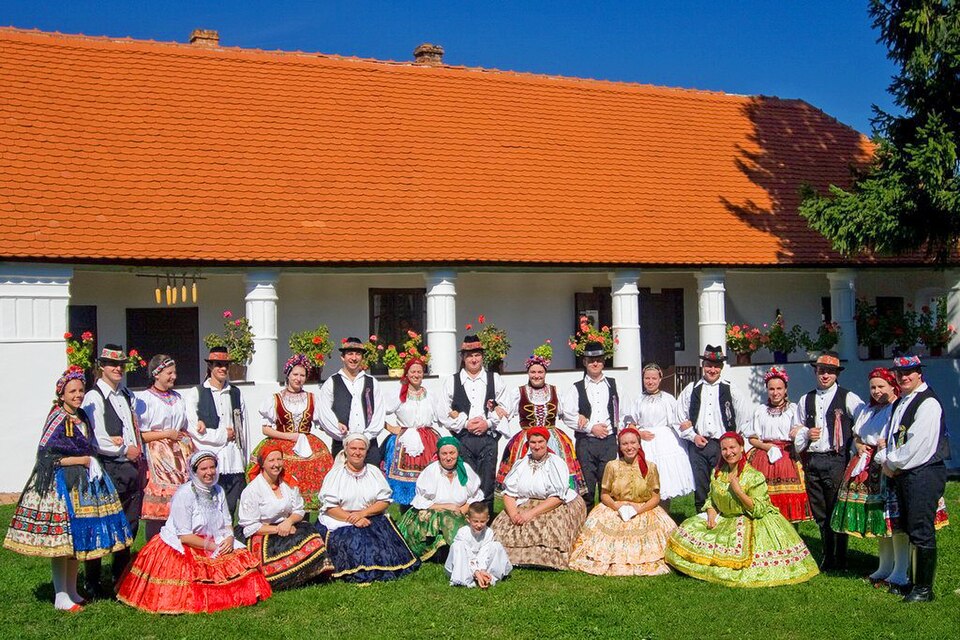
Hungarian folklore traditions include tales, music, dance, decorated pottery, carvings and embroidery.
#CarpathianMountains #MountainCats #MountainousHungary
📖 Descriptive Narrative
In modern Hungarian cities - Budapest, Debrecen, Szeged, Miskolc - where heritage meets modernity, cats live as living bridges between the ancient past and the bright future. In Budapest's cat cafés, Hungarian love for cats is manifested in its finest form.
🔬 Scientific Observation (Narrative)
At the ZOO CAFÉ in Budapest, scientists define the domestic cat (Felis catus) as a small mammal, usually furry, domesticated and carnivorous, often called house cats.
📊 Scientific Observation (Professional)
Recent studies show that Hungary is witnessing an increase in the number of animal welfare organizations, a positive development reflecting increasing commitment to animal welfare and stray cat protection.
💎 "In modern Hungarian cities, where generations meet, honesty is a bridge between past and future, and trustworthiness is a covenant between ancestors and descendants."
🏛️ Heritage Story
At the Hollókő Easter Festival, Kalocsa Paprika Festival, and Táncház Festival, cats remain part of cultural celebrations.
🐉 Ancient Legend
Cats are believed to have been guardians of dragon treasures in Hungarian folk tales, where dragons guarded treasures and cats were the only ones able to approach them.
📍 Documented Information
Budapest, Hungary's capital and largest city, lies on the banks of the Danube and includes important cultural landmarks.
🗺️ Place Names
Budapest | Debrecen | Szeged | Miskolc | Hollókő | Kalocsa
💧 Water Bodies
Danube River: flows through central Budapest | Tisza River: flows through Szeged and Miskolc
⛰️ Geographic Borders
Major Hungarian cities are located in the Carpathian Basin, with Budapest on the Danube.
📅 Historical Period
Modern and Contemporary Era (20th-21st centuries), where Hungary is witnessing development in animal care culture.
🎨 Cultural Information
Sziget Festival in Budapest, one of Europe's most famous summer festivals, reflects Hungarian cultural diversity.
#ModernHungary #CityCats #SustainableHeritage